
Jane Austen antiviral: por qué las hermanas Dashwood nacieron de una pérdida real
Una nueva adaptación cinematográfica de «Sentido y sensibilidad» vuelve a poner en primer plano una novela que no surge solo de la imaginación: Austen escribió desde una experiencia económica y familiar muy cercana a la de sus protagonistas.
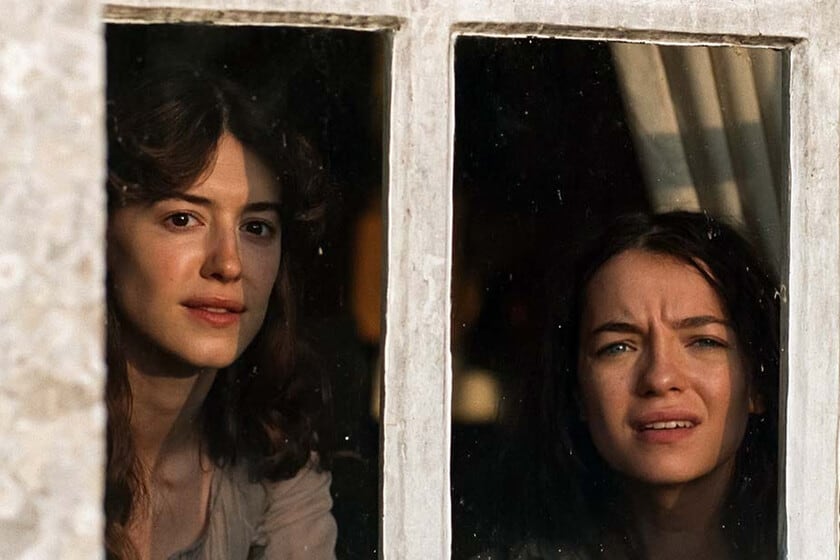
La sala de una novela puede parecer un decorado de época, pero detrás de cada azulejo, cadaoires folded and every imagined inheritance there's often a wound that the writer knew firsthand. That is precisely what happens with «Sentido y sensibilidad»: the new film adaptation returns to the story of Elinor and Marianne Dashwood and reminds us that Jane Austen didn't invent their vulnerability, she transformed it into fiction.
The story begins when Mr. Dashwood dies and leaves his wife and three daughters without the possibility of inheriting the family estate. The four women are forced to leave their home and live with considerably fewer resources under the protection of John Dashwood, the son of the deceased's first marriage. In other words: grief, a change of address, economic uncertainty and a family reshuffled by inheritance laws.
Austen knew that uncertainty from the inside
When George Austen died in 1805, Jane, her sister Cassandra and their mother lost not only their father, but also the stability of their daily life. The Austen women left the family home and settled at Chawton Cottage. The parallel with the Dashwoods is concrete enough to be understood by readers of the time: when a man dies, the women in the family can find themselves without property, without income and with their future dependent on male relatives.
That legal framework also appears in «Orgullo y prejuicio». The Bennet sisters cannot inherit their father's estate, and their material future depends on the men around them. Austen incorporated the restrictions on direct inheritance for women under Georgian law into her stories, but she did so with a critical gaze without resorting to strident denunciations. Her narrative lets the reader see the consequences and, at the same time, makes room for criticism.
“Prefiero no hacerlo, y esa decisión me permitió continuar escribiendo. Sus heroínas, en cambio, suelen encontrar al final de cada novela una resolución satisfactoria que la vida real no siempre ofrece.”Florencia Cabral, Cultura y espectáculos
There is also a revealing contrast between Austen's fictional resolutions and her own life. The author rejected several marriage proposals even though marriage would have meant economic stability. She chose not to marry, and that decision allowed her to keep writing. Her heroines, meanwhile, usually reach a satisfying ending that real life does not always guarantee. The film adaptation, with its return to the cinemas, brings that tension back into the conversation.
The story isn't new: the most memorable version of «Sentido y sensibilidad» is the 1995 adaptation starring Emma Thompson and Kate Winslet. But the arrival of a new version doesn't simply repeat a classic. It places the public before a familiar novel and asks a more personal question: how much of Austen's fiction is made from observation, experience and the social limits she knew firsthand?
- The Dashwood sisters lose their inheritance and must reorganize their lives with fewer resources.
- Austen's family experienced a similar upheaval after the death of her father, George, in 1805.
- The women of the Austen household moved to Chawton Cottage after leaving their family home.
- Georgian inheritance rules left female relatives dependent on the will of male relatives.
- The new film arrives after the iconic 1995 version starring Emma Thompson and Kate Winslet.
I find it moving that a period novel can continue to speak about a very contemporary anxiety: the fear of losing a home, depending on someone else's decision and discovering that affection doesn't always provide economic security. Austen understood those emotions because they weren't invented for the page. In my view, that's what gives «Sentido y sensibilidad» its lasting force: not only the elegance of its characters or the strength of its dialogue, but also the conviction that behind every apparently abstract social rule there's a family trying to protect itself.
Te puede interesar